


Tasmanian greyhound racing faces scrutiny amid criticism of report
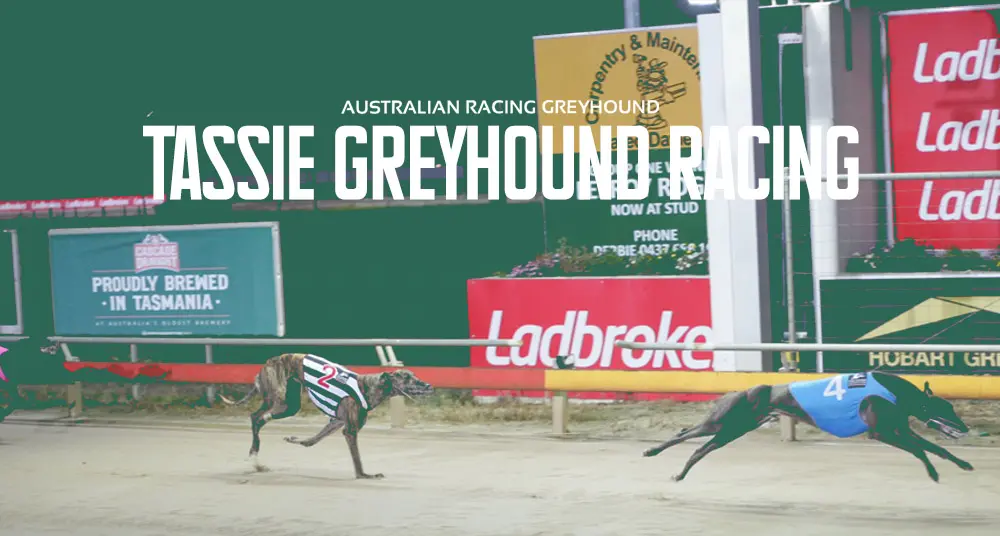
The Tasmanian greyhound racing industry is facing renewed scrutiny following the release of an economic report critical of the sport’s viability, though racing authorities and supporters have strongly pushed back against what they describe as a deeply flawed and biased analysis.
But industry advocates have fiercely rejected the findings.
The report, authored by economist Saul Eslake and commissioned by a coalition of 12 animal welfare groups, contends the industry has received $74.6 million in government subsidies over the past 15 years—funding that has increased at an average rate of 5.6% annually, outpacing the 4.1% growth in education spending.
It concludes the industry contributes just 0.2% to the state’s gross product and employment, and recommends the state reassess its financial support when a 20-year funding agreement expires in 2029.
“The report’s methodology is fundamentally biased,” the spokesperson said.
“It was commissioned by groups explicitly opposed to racing, and it’s unsurprising it arrived at predetermined conclusions.”
Labor finance spokesman Luke Edmunds dismissed the report as “not a credible basis” for policy decisions, reaffirming his party’s support for Tasmania’s racing industry. He noted the sector’s contribution to regional employment and community engagement, warning that withdrawing funding would have far-reaching consequences beyond the track.
Minister for Racing Kerry Vincent acknowledged the sector’s limitations but also emphasized its ongoing value. “While no industry is without challenge, greyhound racing continues to provide economic and social returns that cannot be ignored,” Vincent said.
Independent MP Kristie Johnston and Greens MLC Cassy O’Connor endorsed the report’s conclusions, reiterating long-standing concerns over animal welfare and public spending priorities.
With the 2029 funding expiry on the horizon, the debate over greyhound racing’s future is expected to intensify, dividing opinion between those questioning its economic justification and those defending its role in Tasmania’s sporting and regional economy.