


Greyhound racing ban in New Zealand sparks industry outrage
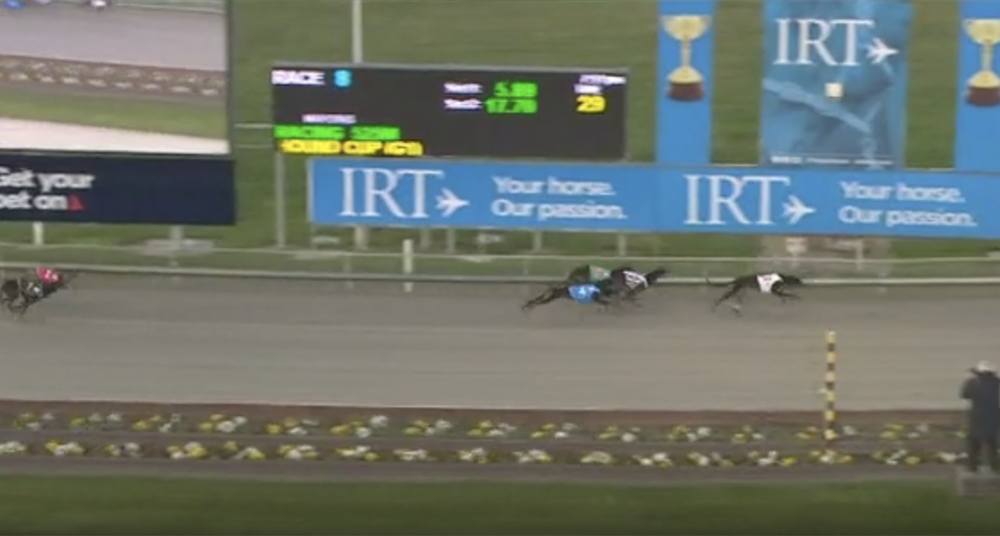
The New Zealand government’s decision to ban greyhound racing by July 2026 has left the industry reeling, with stakeholders questioning the rationale behind the abrupt move.
Edward Rennell, CEO of Greyhound Racing New Zealand (GRNZ), has voiced shock and disappointment at the announcement, emphasising the industry’s progress in animal welfare and its significant economic impact.
“This decision caught us completely by surprise,” Rennell said.
“We firmly believe that greyhound racing has taken significant steps to address welfare concerns raised in previous reviews.
In many ways, we are leading the way in New Zealand from an animal welfare perspective.”
The government has justified the ban on persistent concerns over dog injuries and welfare.
While acknowledging progress made by the industry, the racing minister noted that injury rates remain unacceptably high.
The phase-out period of 20 months is designed to allow for the rehoming of approximately 3,000 racing greyhounds and transition support for affected workers.
Rennell pushed back against claims that the industry failed to meet benchmarks.
“Our injury rate is under seven per 1,000 starts, which compares favorably to Australian states.
Last year, the number of euthanasias from racing incidents dropped to nine, down from the mid-60s just four years ago.
These are significant improvements.”
The ban affects over 1,050 employees in the industry, who now face an uncertain future.
“This industry contributes $159 million annually to the economy and supports many young families,” Rennell said.
“To wake up to such an announcement without warning is gutting.
People welfare is just as important as animal welfare.”
Rennell also expressed frustration at the lack of engagement from the government before the decision.
“We were under review for the past three years, with quarterly reports from the Race Integrity Board to the minister.
The last two reports were very positive about the progress made by the industry.
Yet, we received no opportunity to present our case.”
Despite the blow, Rennell signalled the industry’s intention to fight the decision.
“This is a standing eight count, not a knockout,” he said.
“We will appear before the select committee to outline the steps we’ve taken and the economic and welfare benefits of greyhound racing.
We owe it to the 1,054 people who depend on this industry.”
As the phase-out period begins, Rennell stressed the importance of addressing the welfare of both people and animals.
“We’ve rehomed more greyhounds than we’ve bred for the first time, but the challenge of rehoming 3,000 dogs is significant.
We are working day by day to manage this transition responsibly.”
The industry’s next steps will involve lobbying Parliament, mobilising community support, and countering what Rennell described as “misinformation” about greyhound racing.
However, with the government already enshrining stricter welfare laws and gaining widespread parliamentary support for the ban, the path forward remains uncertain.
As does the future for all racing codes in Australia and New Zealand now that anti-racing activists will have gained considerable momentum in both countries.