


Winston Peters defends greyhound racing ban on Guerin Report
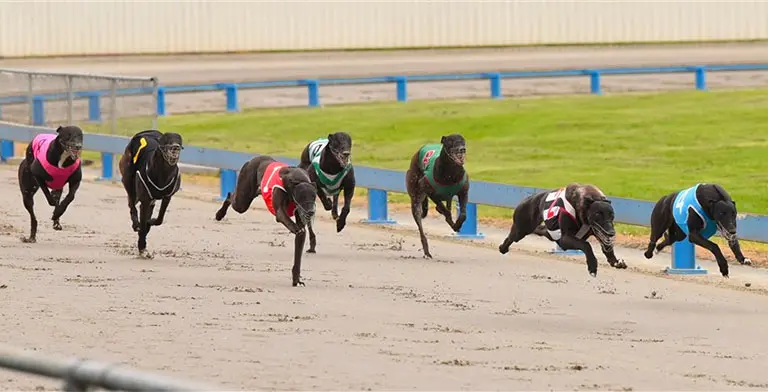
In a wide-ranging appearance on The Guerin Report, New Zealand’s Racing Minister and Deputy Prime Minister Winston Peters confirmed the government’s intention to shut down greyhound racing by the end of 2026.
While Peters described the decision as “difficult” and said it carried “no pleasure,” the greyhound racing community remains concerned—arguing the reasoning offered fails to reflect the efforts and improvements made by the code in recent years.
Peters referenced multiple historical reviews into the code, including those in 2013, 2017, and 2021, suggesting that the data presented across those reports contributed to the final call.
However, the interview made no mention of the concrete reforms that have taken place since those reviews—such as advances in track safety, independent welfare oversight, improved rehoming rates, and more robust reporting practices.
“As much as we’ve tried, this is not excusable — the level of injury and serious injury, or absence of material information, or no record of a dog going missing. These things [are] just not acceptable,” Peters said.
But to many in the industry, this broad-brush view doesn’t reflect the current reality of greyhound racing.
Rehoming rates are consistently above 90%, welfare rules have become significantly stricter, and the industry has repeatedly welcomed transparency and oversight.
Greyhound Racing New Zealand (GRNZ) has confirmed it was not consulted before the announcement in December 2023 and has not met with the current Minister, despite repeated requests.
The organisation says it has not had any formal engagement with the Minister of Racing since mid-2022.
In the same interview, Peters acknowledged that he remains frustrated with the pace of reform in the wider racing industry, particularly around racecourse rationalisation and infrastructure planning.
These issues, he noted, have been “sitting still” for too long.
This contrast has not gone unnoticed by greyhound stakeholders, who feel the code is being wound down despite having responded to similar reform challenges more proactively.
While Peters stated that Parliament supported the decision across party lines, the process that led to that consensus has raised questions about transparency and timing.
GRNZ has since confirmed it will participate in the select committee process and intends to put forward a strong defence of the industry.
The organisation also continues to explore its legal position and remains engaged in discussions with the newly formed Ministerial Advisory Committee (MAC), which it says have been constructive.
Around 2,900 racing greyhounds will need to be rehomed over the next 20 months, and while Peters assured viewers that a team is “already preparing for that,” the infrastructure and experience required to carry out such a transition have largely come from within the code itself over recent years.
Peters was clear the decision does not indicate future plans for other racing codes such as thoroughbreds or standardbreds, stating: “We do not think it’s the same as the dogs in that context.”
However, the unexpected nature of the greyhound announcement has left other sectors of the industry closely watching what comes next.